Healthy Aging and Changes in Hair Density
Practical hair growth guidance, explained in clear everyday language.
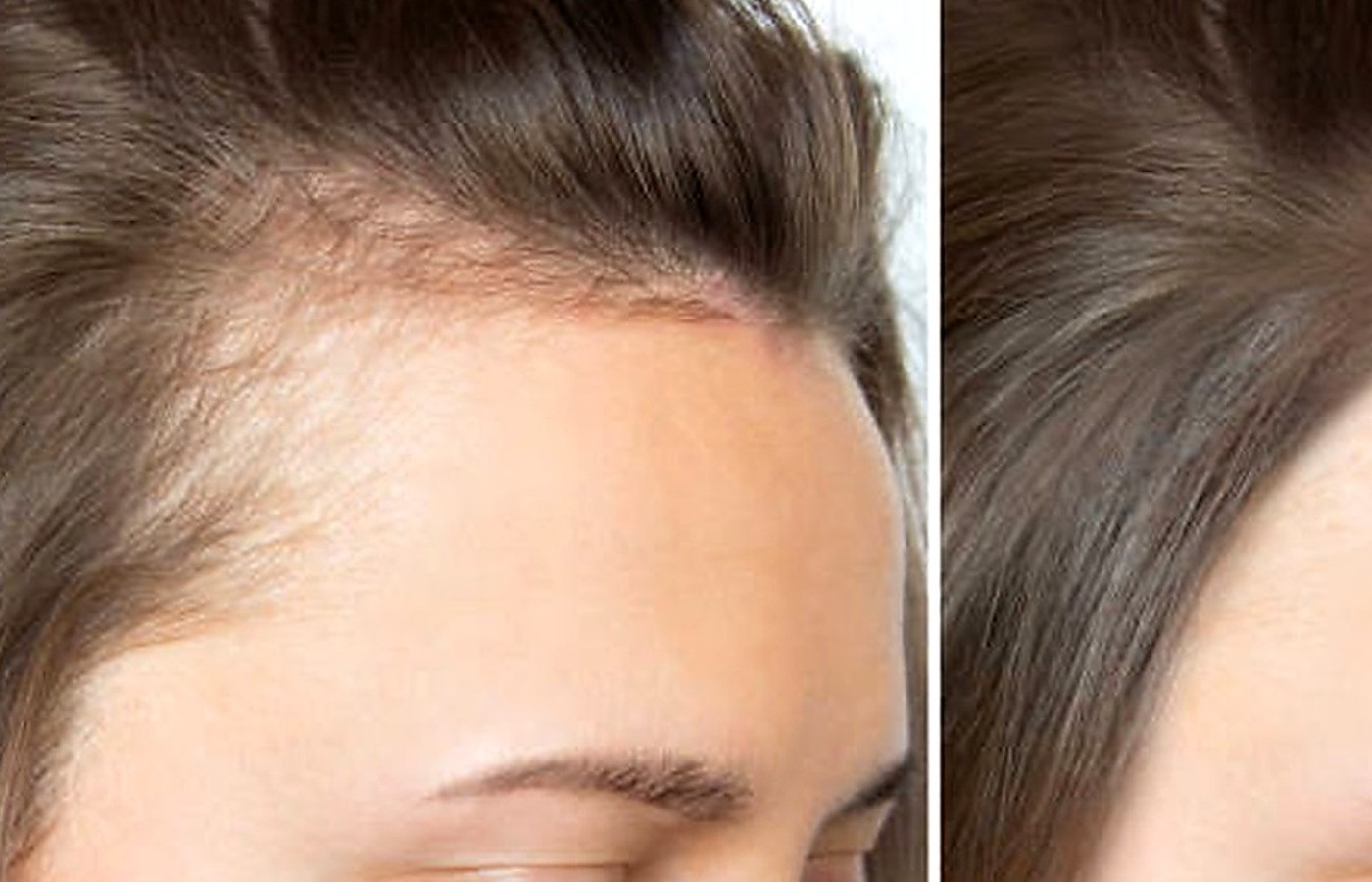
For everyday wellness, Healthy Aging and Changes in Hair Density works best as one piece of a larger pattern of repeatable habits. Within hair growth, this topic connects with scalp care, breakage prevention, nutrition, styling habits, and hair wellness. It helps to separate general wellness guidance from treatment advice, especially when symptoms are persistent or changing. A habit is more useful when it is easy to repeat, easy to notice, and realistic on busy days as well as ideal days.
How to tell whether your routine is working
Look for practical signals: consistency, comfort, energy, sleep quality, appetite, activity tolerance, and whether the routine feels manageable. These are not diagnostic tests, but they can help you decide whether a habit is supporting your day or creating more friction. It helps to separate general wellness guidance from treatment advice, especially when symptoms are persistent or changing.
What this idea means in everyday life
In practical terms, healthy Aging and Changes in Hair Density is less about chasing a perfect routine and more about noticing the choices that surround it. For hair growth, those choices often include scalp care, breakage prevention, nutrition, styling habits, and hair wellness. Looking at the whole pattern makes it easier to decide which change is worth trying first. Your age, medications, activity level, symptoms, and medical history can change what is appropriate for you.
A practical checklist
- Include adequate protein and a varied diet rather than relying on one “hair food.”
- Seek medical advice for sudden, patchy, or rapidly increasing hair loss.
- Handle wet hair gently and reduce unnecessary pulling or friction.
- Choose scalp and wash routines based on your hair and scalp needs.
- Avoid very tight styles that repeatedly stress the same areas.
What can make the habit easier
Environment matters. Put useful foods, tools, reminders, or protective items where you are likely to see them. Prepare for the part of the day when your routine is most likely to fall apart. The easier the healthy choice is to access, the less motivation it requires. Small choices repeated most days usually matter more than a dramatic change that only lasts for a week.
A simple way to put it into practice
Start by choosing one situation where healthy Aging and Changes in Hair Density naturally fits your day. Keep the first version deliberately simple and give yourself enough time to notice whether it is convenient, comfortable, and sustainable. Pair it with familiar habits rather than building an entirely new schedule around it. Your age, medications, activity level, symptoms, and medical history can change what is appropriate for you.
When professional advice matters
General wellness information has limits. New, severe, persistent, or rapidly changing symptoms deserve professional evaluation. If you take prescription medicines, have a diagnosed medical condition, are pregnant, or are planning a major diet or supplement change, ask a qualified clinician what is appropriate for you. The strongest routine is usually the one that can survive travel, stress, weekends, and an imperfect schedule.
Common mistakes to avoid
A common mistake is changing too many things at once and then not knowing what helped. Another is expecting one habit to solve a broader health concern by itself. Extreme restriction, aggressive routines, or supplement-heavy approaches can add cost and complexity without improving the basics. It helps to separate general wellness guidance from treatment advice, especially when symptoms are persistent or changing.
Bottom line
Healthy Aging and Changes in Hair Density does not need to become another complicated rule. Use it as a prompt to improve one part of your routine, then judge the change by how well it fits your real life. For hair growth, steady habits and appropriate professional care are a stronger foundation than quick fixes.